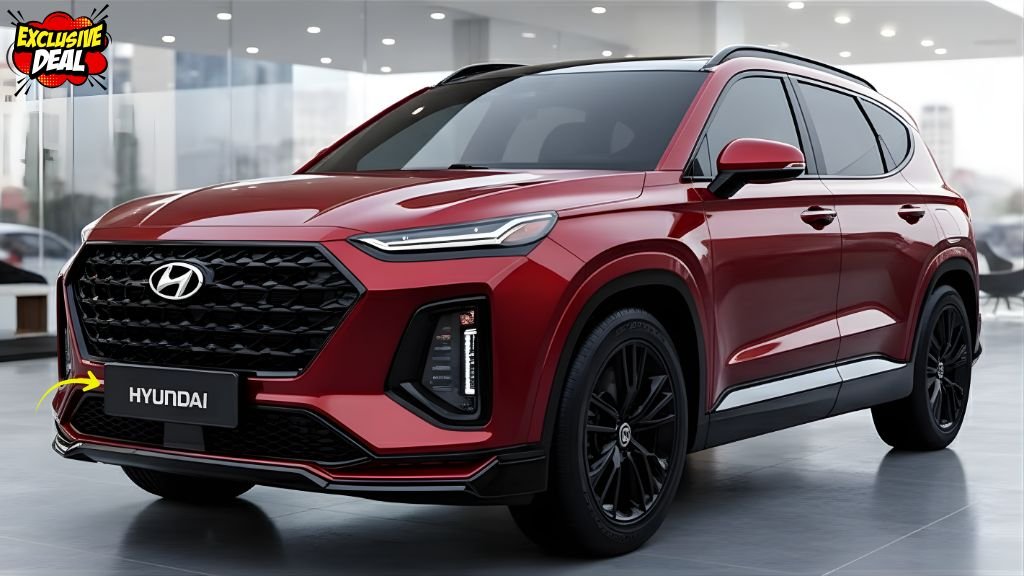
The compact-SUV battleground is about to heat up again, and the 2026 Hyundai Venue Facelift is stepping into the arena with sharper styling, richer tech, and a stronger safety story. In this deep dive, we unpack everything shoppers should know—what’s new, what’s improved, and how it aims to stay the most sensible small SUV you can buy. We keep it clear, practical, and data-driven so you can decide confidently.
Design Evolution: Sharper Lines, Bolder Stance
Hyundai’s refresh strategy for the Venue has consistently balanced familiarity with freshness, and the 2026 facelift follows that winning brief. Expect a more upright nose and a cleaner, horizontal theme that visually widens the car. The grille is likely to adopt a parametric mesh with dark chrome or satin finishes on higher trims, while the lower bumper gets functional air curtains to guide airflow around the front wheels. Subtle creases over the wheel arches add muscle without overdoing it, and a slightly lowered front lip hints at a planted stance.
From the side, a tidy roofline and well-proportioned glasshouse keep the Venue compact yet grown-up. The facelift should also introduce new 16- and 17-inch alloy designs—diamond-cut on top trims—with punchier, turbine-style motifs. Around the back, the connected light bar (a trend across Hyundai’s SUV family) ties the tail-lamps together, making nighttime recognition instant and premium. The palette will likely include youthful dual-tone options (black roof with vibrant body colors) and at least one “launch shade” that becomes the poster color for the range. Overall, the makeover feels like a polished evolution that looks modern now and ageless later.
Lighting and Grille: Signature Identity That Glows
Headlamps are the “eyes” of any SUV’s personality, and the 2026 Venue’s lighting package is set to elevate that identity. Slimmer DRLs are expected to run as a sharp eyebrow across the top—think surgical precision—while the primary projectors sit lower in squared housings for a technical, layered look. Full-LED headlamps on upper variants should feature auto high-beam assist, with cornering function for better illumination on twisty roads. The rear gets a distinct LED signature with pixel-like nodes inside the bar, giving the Venue a high-end night presence typically reserved for pricier segments.
Function meets form here: expect improved beam spread and intensity, particularly in wet weather, plus a more robust DRL always-on pattern that boosts daytime visibility. The grille’s mesh will likely be more aerodynamic than before, complementing underbody trays that smooth airflow. It’s not just about looking premium; it’s about making the Venue more efficient, quieter, and more confident after dark.
Cabin Experience: Practical Luxury in a Compact Footprint
Open the door and you’ll find the Venue’s hallmark ease of use—tall seating, smart storage, and a dashboard that feels just right in scale—wrapped in richer materials. The facelift is expected to introduce a soft-touch upper dash on higher trims, contrast stitching, and satin metallic highlights around vents and the center console. Fabric and leatherette choices should get a refresher, including a tasteful dual-tone cabin and an all-black sporty theme for N Line.
Seat comfort is a core upgrade. Wider cushions, better lumbar contouring, and improved thigh support mean long drives feel shorter. Rear seatback recline (already a Venue highlight in select iterations) should return, with optimized foam density to keep fatigue at bay. Storage gets smarter: deeper door bins for 1-liter bottles, a two-level console tray for phones and wallets, and a cooled glovebox on upper variants. Add in thoughtful touches—ambient lighting with subtle color choices, a flat rear floor hump for easier middle-seat use, and better NVH insulation—and the cabin becomes a calm, cleverly arranged living space on wheels.
Screens, Software, and Sound: Tech That Feels Natural
We expect Hyundai to consolidate the instrument cluster and infotainment into a curved, twin-screen layout on top trims: a digital cockpit (10.25-inch class) paired with a 10.25-inch infotainment display that offers crisp graphics and a fluid UI. Wireless Android Auto and Apple CarPlay should be standard on most variants, with faster pairing and more stable connections. Voice commands become more conversational, handling everyday tasks like climate adjustments, navigation shortcuts, and media control without awkward phrasing.
Connected-car features (via Bluelink or its successor) expand with remote start/stop, climate pre-conditioning, geofencing, valet mode, over-the-air (OTA) updates for both infotainment and selected vehicle functions, and a trip analytics dashboard that translates your driving style into practical efficiency tips. Audiophiles can look forward to a tuned 6- or 8-speaker setup with a dedicated sound profile for quiet-cabin listening—think better separation, cleaner mids for podcasts, and richer bass that doesn’t boom. Wireless charging with active cooling, multiple fast-charge USB-C ports front and rear, and a 12V socket for accessories round out a tech stack that is both modern and quietly reliable.
ADAS and Safety: Confidence You Can Feel
Safety is moving rapidly from “nice to have” to “non-negotiable,” and the 2026 Venue Facelift is expected to lean into this shift. Anticipate a robust ADAS suite on higher trims: Forward Collision Warning with Autonomous Emergency Braking, Lane Keeping Assist, Lane Departure Warning, Driver Attention Warning, Blind-Spot Collision Warning with rear cross-traffic alert, and Intelligent Speed Limit Assist. Parking becomes simpler with a 360-degree camera on the top variant (or at least an advanced rear camera with dynamic guidelines on mid trims) plus front and rear parking sensors.
Passive safety should include six airbags as standard on most variants, reinforced body structures with high-strength steel, and ISOFIX anchors. Braking performance benefits from electronic brake distribution and brake assist, while the steering calibrations are expected to hold line stability confidently at highway speeds. Hyundai’s push toward wider standardization of key safety features is great news: the result is a Venue that doesn’t just tick boxes but genuinely reduces driving stress in crowded cityscapes and on unfamiliar highways.
Engines and Efficiency: Balanced Power for City and Beyond
The Venue’s powertrain lineup has traditionally combined city-friendly punch with wallet-friendly efficiency. For 2026, expect refined versions of the proven 1.2-liter petrol for everyday commuters and the spirited 1.0-liter turbo-petrol for drivers who enjoy a bit of mid-range surge. Depending on market, a frugal diesel option may continue where demand remains strong, tuned to meet the latest emission standards with improved after-treatment longevity.
Transmission choices should include a slick 5- or 6-speed manual, an intelligent iMT (clutch-less manual) for those who crave control without the left-leg workout, and a 7-speed DCT on the turbo-petrol that’s been recalibrated for smoother crawl in traffic and quicker multi-gear downshifts when overtaking. Expect small but meaningful efficiency gains via low-rolling-resistance tires, better aerodynamics, and smarter shift maps. The punchline: the 2026 Venue should feel nimbler off the line, calmer at cruise, and thriftier at the fuel pump.
Ride and Handling: City-Smart, Highway-Ready
A compact SUV lives or dies by its daily-drive manners. The facelifted Venue is expected to fine-tune its suspension with revised damper valving and subtly stiffer bushings to deliver tighter body control without losing the plushness owners appreciate. Over speed breakers and patchy tarmac, the Venue should remain composed, absorbing sharp edges while keeping cabin movements well controlled. On fast expressways, a calmer steering rack and improved straight-line stability reduce the need for constant corrections, which translates directly into lower driver fatigue.
Tire and wheel choices matter, too. With the right 16- or 17-inch setup, grip improves without overly firming the ride. Cornering isn’t about attacking hairpins in a compact SUV; it’s about predictability. The 2026 Venue should lean progressively and return to center cleanly—the kind of behavior that makes new drivers instantly comfortable and experienced owners quietly impressed.
Features and Trims: Clear Value at Every Step
Hyundai’s trim walk traditionally ensures the sweet spot sits in the middle. Expect the 2026 Venue to continue that strategy with well-judged step-ups. A sensible base variant should bring key essentials—connected infotainment, multiple airbags, rear parking camera—without feeling bare. The mid trims likely add the features most buyers want: larger alloys, wireless smartphone integration, push-button start, cruise control, auto headlamps, and rear AC vents.
The top trim should feel genuinely premium: dual-screen cockpit, full-LED lighting, 360-camera (or advanced rear cam), ambient lighting, leatherette upholstery, electrically adjustable driver seat, wireless charging, and the complete ADAS suite. For enthusiasts, an N Line derivative is expected to return with bespoke wheels, sportier steering and suspension tune, metal pedals, and a dark-themed interior. The idea is simple—no matter your budget, the feature-to-price ratio remains compelling.
Practicality and Space: Small Footprint, Big Usability
The Venue’s greatest trick is how it hides its size in traffic but reveals its space when you need it. The facelift retains this magic with clever packaging. Up front, it’s easy to find a confident driving position thanks to a wide range of seat and steering adjustments. In the rear, the seatback angle and cushion length are tuned for longer legs, and the headroom remains generous even with the subtly tapered roofline.
The boot is square and usable, aided by a low loading lip and a 60:40 split-fold rear seat to expand cargo capacity for weekend trips. Hooks, nets, and a double floor (on select variants) help you pack smart, keeping groceries separate from travel bags. Everyday convenience remains a core Venue promise: park it in tight apartment lots, dart through gaps, and still carry your life without compromise.
Ownership Costs: Built for Long-Term Peace of Mind
Total cost of ownership is where the Venue’s consistent engineering and wide service network shine. The facelift’s expected OTA update capability should reduce workshop time for software tweaks, while widely shared components keep parts affordability in check. Extended warranty packages and prepaid service plans are likely to continue, giving owners predictable expenses for years. Fuel-efficient powertrains and improved aerodynamics translate to fewer fuel stops, and robust resale demand for the Venue nameplate helps protect your investment when it’s time to upgrade.
Insurance premiums on compact SUVs like the Venue remain reasonable, and roadside assistance coverage offers valuable confidence—especially for first-time buyers. Put simply, the 2026 Venue is being shaped not just to impress on day one but to remain hassle-free on day one thousand.
Rivals and Positioning: Why Venue Still Makes Sense
Competition in the compact-SUV space is fierce, with high-tech dashboards and aggressive price tags everywhere you look. The Venue’s advantage is balance. It doesn’t chase one headline spec; it optimizes across design, quality, safety, performance, and ownership experience. The facelift strengthens this pitch with more mature styling, richer in-cabin feel, and safety tech that’s increasingly comprehensive.
For shoppers comparing options, the Venue will likely appeal to those who value everyday usability and a tight, city-friendly footprint, but who also want a cabin that feels like it belongs in a class above. If your checklist includes “looks premium, drives easy, won’t punish my wallet,” the 2026 Venue should make the final shortlist with little effort.
Connectivity and Smart Features: Everyday Superpowers
Beyond the basics, the facelift’s connected feature set aims to make every day smoother. Remote lock/unlock and start help in sweltering summers and chilly dawns. The car locator and geofencing add security when a family member borrows the car. Live traffic-aware navigation reduces guesswork on office runs. Even the owner’s manual gets smarter, with on-screen guides and how-to videos that pop up contextually. It’s tech that fades into the background until you need it, then quietly saves your time.
Additionally, profile-based customization (driver profiles for seat position, cluster theme, and audio presets) is expected to trickle down, making shared family use notably friendlier. It’s these small, thoughtful touches that add up to an experience you notice every day—even if you can’t put a number on them.
Sustainability and Materials: Cleaner, Quieter, Kinder
Automotive sustainability isn’t just tailpipe emissions—it’s also about materials and manufacturing. The 2026 Venue is expected to expand the use of recycled plastics and bio-based materials in non-touch structural components, while keeping touch points soft and durable. Adhesives and insulating layers are refined to reduce VOCs and improve cabin air quality. Aerodynamic tweaks, low-resistance tires, and smart alternator management collectively shave grams of CO₂ per kilometer—gains you won’t feel immediately, but the planet will.
Noise reduction is another quiet win: strategic sound-deadening pads and wheel-arch liners tame road roar, especially on coarse urban surfaces. The outcome is a cabin that feels a class above when you shut the door—a satisfying “thunk,” followed by…peace.
Who Should Buy the 2026 Venue?
If you spend most of your time in the city, need a comfortable, feature-packed cabin, and want long-term reliability with strong resale, the Venue is right on target. New drivers will appreciate its easy visibility and compact footprint; experienced owners will love the smooth DCT in traffic and the hushed highway manners. Families of four will find it exactly spacious enough, and solo commuters will enjoy a premium ambiance without the cost and size of a larger SUV.
If you’re chasing all-out performance or serious off-road capability, this isn’t your segment. But for 95% of real-world needs—school runs, office commutes, weekend drives—the 2026 Venue Facelift promises to be that rare, “just-right” choice.
Buying Tips: Choosing the Right Variant
Trims can be confusing, so here’s a simple rule of thumb. If your budget allows, aim for the variant that gets the full safety stack and the larger infotainment screen—you’ll feel those features daily. Prefer an automatic for urban stop-and-go? The 7-speed DCT with the turbo-petrol feels effortless and brisk. If you want control without clutches, the iMT is a happy middle ground. For value seekers, a mid variant with wireless CarPlay/Android Auto, rear camera, and LED DRLs already hits the sweet spot.
Don’t forget to factor in extended warranty and a service package; these modest upfront costs can simplify ownership for years. Choose wheels for balance—not just looks—and if you live where roads get rough, the smaller wheel with taller sidewalls might actually be your best friend.
Verdict: A Facelift That Feels Like a Full Step Up
The 2026 Hyundai Venue Facelift isn’t about reinventing the compact SUV; it’s about making the smart choice even smarter. Sharper looks, richer interiors, broader safety, friendlier tech, and measured efficiency gains—together, they deliver a product that’s more enjoyable to live with every single day. For buyers who value calm competence wrapped in a premium feel, this refresh lands exactly where it should: ahead of the curve, and just within reach.
Conclusion
Hyundai knows what compact-SUV shoppers want: city agility, easy comfort, modern tech, genuine safety, and sensible costs. The 2026 Venue Facelift doubles down on all five. It looks bolder without being loud, drives smoother without being soft, and packs tech that helps rather than distracts. If you’ve been waiting for a small SUV that feels big on everyday satisfaction, the refreshed Venue deserves a long, hard look. It is, quite simply, the practical choice made desirable.
FAQs
Q1. Is the 2026 Hyundai Venue Facelift getting ADAS?
Yes, higher trims are expected to include a robust ADAS suite with AEB, Lane Keeping, and Blind-Spot alerts, bringing stress-free driving to daily commutes.
Q2. Which engine should I pick for city use?
The 1.2-liter petrol is the frugal all-rounder; the 1.0-liter turbo with the 7-speed DCT is ideal if you want effortless acceleration and relaxed cruising.
Q3. What are the big interior changes?
Expect upgraded materials, a twin-screen cockpit on top trims, improved seat comfort, wireless connectivity, and thoughtful storage for everyday practicality.
Q4. Will the 2026 Venue be expensive to maintain?
Ownership costs should remain reasonable thanks to shared components, OTA updates reducing workshop time, and widely available service networks.
Q5. Is the Venue good for highways or only the city?
Both. The facelift’s improved stability, calmer steering, and stronger lighting make it confident on highways while staying compact and nimble in town.