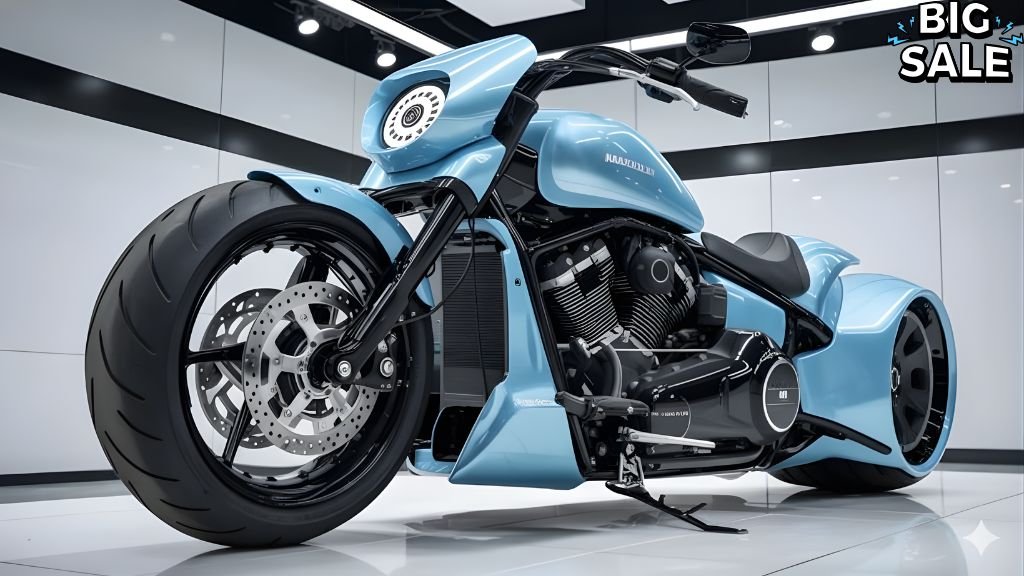
Harley-Davidson Fat Boy Launched : sits proudly in the second camp. It’s a machine that doesn’t whisper for attention; it commands it with a broad stance, a signature solid disc wheel design, and the deep, thumping heartbeat of a Milwaukee-Eight V-Twin. If you’re looking for a big-twin cruiser that blends heritage with a surprisingly modern road manner, the Fat Boy 114 is your poster bike.
The silhouette is unmistakable low, long, and muscular. The broad handlebar sits comfortably within reach, the tank has that classic teardrop presence, and the seat is sculpted to hold you in a natural, slightly reclined posture. The hallmark solid-disc wheels are the visual exclamation mark. They don’t just look iconic; they also give the motorcycle a planted stance that sets the tone before you thumb the starter.
| Specification | Details* |
|---|---|
| Engine | Milwaukee-Eight 114, 1,868cc, V-Twin |
| Peak Torque | ~155 Nm @ ~3,000 rpm |
| Transmission | 6-speed, belt final drive |
| Kerb Weight | ~317 kg |
| Seat Height | ~675 mm (low-slung) |
| Front/Rear Tyres | 160/60R18 front, 240/40R18 rear |
| Brakes | Dual-channel ABS, front and rear discs |
| Fuel Tank | ~18.9 litres |
| Claimed/Typical Efficiency | 16–20 km/l (rider dependent) |
| Electronics | Keyless ignition, LED lighting, traction-friendly chassis geometry |
| Suspension | Telescopic front, hidden mono-shock rear (preload adjustable) |
| Ex-showroom Price (India) | Typically in ₹25–30 lakh range, variant and city dependent |
| Warranty/Service | Varies by dealership; extended plans available |
The Milwaukee-Eight 114: A Heart with Character
Underneath the visual drama is a motor that delivers torque by the bucket. Roll the throttle at city speeds and the Fat Boy surges forward without drama. On open highways, it cruises in the meat of its torque band, making overtakes feel effortless. The 6-speed gearbox is tall enough for relaxed highway lope, and the belt drive keeps things smooth and low maintenance. Riders coming from smaller displacement machines will instantly recognise the Harley difference: it’s the feel. The gentle quiver at idle, the bass note that turns into a rich baritone as revs rise, and the satisfying lunge when you twist the wrist.
Big Tyres, Big Confidence
Those fat 18-inch tyres are more than a design flex. The wide footprint helps stability over undulations and crosswinds, and the bike feels glued to tarmac at cruising speeds. In city traffic, the wide front can initially feel intimidating, but once you learn to steer with your hips and look far ahead, the Fat Boy becomes surprisingly predictable. Cornering clearance is adequate for a cruiser of this genre; ride it like a long-distance tourer rather than a track weapon, and it rewards you with calm composure.
Comfort for Indian Roads
India’s diverse tarmac throws everything at a rider—fresh expressway stretches, patchy district roads, and monsoon-scarred lanes. The Fat Boy’s suspension tuning leans on plushness without becoming wallowy. The hidden mono-shock contributes to the clean hardtail look while adding real-world comfort. The seat height is low, which builds confidence for shorter riders, and the broad saddle is kind to your back on long days. Heat management is better than older twins, but this is still a big air-/oil-cooled V-twin; in stop-go summer traffic, you’ll feel the warmth. Keep moving and the bike settles into a comfortable rhythm.
Braking and Safety
Dual-channel ABS is standard and calibrated for progressive, predictable stops. The Fat Boy isn’t a machine you late-brake into corners with; it’s one you set up early, roll in smoothly, and drive out on torque. The front lever has good initial bite followed by a linear build-up, while the rear pedal is excellent for low-speed control and U-turns—especially useful given the generous wheelbase.
City Manners vs Highway Sweet Spot
In dense city cores, the Fat Boy’s width and weight require respect. Plan gaps, look up the road, and use that low-end torque to glide rather than dart. On highways, the bike comes alive. It sits happily at legal highway speeds with the engine barely breaking a sweat. A light tailwind, a big sky, and a steady right hand—that’s Fat Boy nirvana. If you’re planning weekend runs or inter-state road trips, the bike feels purpose-built.
Fit and Finish: Heirloom Quality
This is where Harley earns its premium. Paint depth, metal touch points, switchgear feel, and the way the chrome and satin finishes interplay under sunlight—there’s a sense of permanence. The LED headlamp is crisp and throws a useful spread for night runs, and the signature lighting adds presence even in daylight. Keyless ignition is a small convenience that becomes addictive, and the analog-digital cluster keeps the cockpit clean.
Practicality
A big-twin cruiser in Indian cities demands planning. Parking needs space, and you’ll avoid the tightest alleyways. But the Fat Boy’s low seat height and tractable motor make it less intimidating than the spec sheet suggests. Service intervals and labour costs are premium, but the ownership experience has matured, with major metros hosting trained technicians and better parts availability than a decade ago. Aftermarket support for luggage, screens, foot controls, and seats is abundant, letting you tailor the bike to touring, city use, or pure show-stopper duties.
Touring Setup: From Weekend Blasts to Long Hauls
Add a quick-release windscreen for highway comfort, soft saddlebags or a discreet luggage rack for weekends, and you’re ready to chase horizons. The riding position works for extended stints, and the tank range—depending on your right hand—can cross 250–300 km between fuel stops. Consider a gel seat or a rider backrest if your itinerary involves back-to-back 500-km days.
Performance, Efficiency, and Range
Expect real-world efficiency in the 16–20 km/l window if you cruise at steady speeds and avoid extended idling. With close to 19 litres onboard, practical range sits around 300 km. More importantly, the torque delivery means you’re rarely revving the engine hard; you surf the midrange. That relaxed gait is the secret to both fuel numbers and the long-legged feel.
Handling: More Graceful Than You Think
Yes, it’s heavy on paper. But mass is carried low, and once rolling, the Fat Boy feels neutral. The rake and trail stabilise straight-line behaviour, and the chassis doesn’t protest if you pick a slightly ambitious corner speed—just remember you’re riding a floorboard-equipped cruiser. Learn the bike’s language: look through the corner, keep arms relaxed, and let the torque do the work on exit.
Ownership Costs and Resale
Premium bikes command premium upkeep. Insurance, tyres (especially that 240-section rear), and scheduled services ask for a realistic budget. The upside is strong brand equity and collector appeal that help resale, particularly if you maintain the bike meticulously and retain stock parts when you install accessories. For riders who value emotional return on investment, that moment when a crowd forms around your parked Fat Boy is priceless.
Who Should Buy the Fat Boy 114
If your riding is a blend of city commutes, weekend highways, and the occasional long tour; if you want a motorcycle that is as much about presence as performance; if your heart says V-twin thunder more than inline-four scream—the Fat Boy 114 fits. It’s not for lane-splitting fanatics or canyon-carving track junkies. It’s for riders who savour the journey and want every fuel stop to feel like a photo-op.
Rivals and Alternatives
Within Harley’s own stable, the Heritage Classic tempts touring-leaning riders with bags and a screen, while the Breakout caters to those who want a stretched, drag-style stance. Outside the brand, high-capacity cruisers from Indian Motorcycle play in the same emotional space, and some European power-cruisers offer sharper electronics. Yet, few machines blend cultural cachet, design purity, and rolling theatre like the Fat Boy.
Verdict
The Harley-Davidson Fat Boy is more than a motorcycle. It’s a personal statement rendered in metal and torque. Every ride feels like a small parade. If your idea of motorcycling is to slow the world down, soak up the horizon, and hear that V-twin soundtrack bounce off flyovers, this is your stage.
Buying Tips for Indian Riders
Do your first test ride in mixed traffic and on an open stretch to feel both sides of the character. Consider engine guards and a frame-mounted camera mount if you’ll document rides. Check dealer service proximity, and factor tyre replacement costs into ownership math. If you’re shorter, try a reach-reduction seat or pullback risers—small tweaks that drastically increase comfort.
Maintenance and Care
Keep belt tension within spec, clean the bike with pH-balanced solutions to preserve finishes, and stick to recommended oil change intervals. The air-cooled mass likes smooth airflow; avoid endless idling in peak heat. Battery tenders are a wise accessory if you travel often and the bike sits idle.
Customisation
This is Harley’s secret sauce. From slip-on exhausts that add a deeper note to mini-apes or beach bars for a different posture, from machined foot controls to blackout kits and performance air intakes—the catalogue (and aftermarket) is a rabbit hole worth exploring. Just remember to keep emissions and warranty in mind when choosing performance parts.
Frequently Asked Questions (FAQs)
Is the Harley-Davidson Fat Boy comfortable for daily city commutes in India?
Yes, provided you’re comfortable with its width and weight. The low seat height, smooth torque, and belt drive make low-speed riding manageable. Plan your parking and choose routes with fewer tight squeezes for a stress-free commute.
Can beginners ride a Fat Boy
Technically yes, but it’s better suited to riders with some big-bike experience. The torque and mass demand respect. If you’re a determined newcomer, invest in rider training and start with shorter, familiar routes.
What real-world mileage can I expect?
Most owners report around 16–20 km/l depending on traffic, load, and cruising speeds. Smooth throttle and timely upshifts help.
How does the Fat Boy handle Indian highways?
Brilliantly. The bike is planted at speed, crosswinds don’t upset it easily, and the engine loafs at legal limits. Add a quick-release windscreen for long journeys.
Is the Fat Boy good for pillion riders?
The stock pillion pad is usable for short hops. For frequent two-up touring, consider an upgraded seat and a sissy bar/backrest for comfort and security.
What about maintenance costs?
Expect premium-segment costs—tyres, insurance, and scheduled service will be higher than mid-capacity bikes. The payoff is build quality, heritage, and a unique riding experience.
Does Harley provide enough accessories in India?
Yes. Official accessories and a thriving aftermarket cover luggage, screens, seats, bars, pegs, lighting, and more. Many parts are quick-release, allowing you to switch personas between weekday and weekend.
How does it compare to the Heritage Classic?
The Heritage leans more toward touring with factory bags and a screen. The Fat Boy is the purist’s style icon with a clean, muscular profile. Ride both; choose the one that fits your lifestyle.
What is the typical on-road price?
On-road prices vary by state taxes, insurance, and accessories. As a ballpark, expect the on-road figure to be significantly higher than ex-showroom—speak to your local dealer for an exact breakup in your city.
Is heat an issue in Indian summers?
In crawling traffic you’ll feel engine warmth, as with most large twins. Riding gear that vents well and route planning during peak heat hours keep things comfortable.