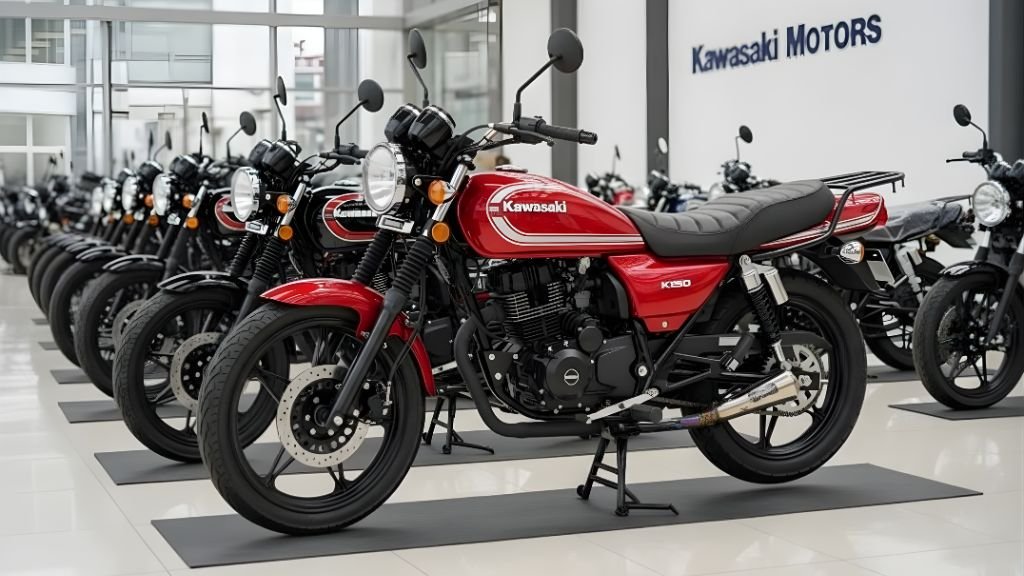
If we had to pick the perfect sweet spot for Indian riders who crave performance without breaking the bank, the 150cc class would be it. A Kawasaki 150cc Bike promises exactly that balance: nimble city manners, weekend fun, sensible ownership, and the brand’s trademark engineering polish. In this guide, we unpack everything you should expect—design, engine character, ride quality, braking, features, mileage, maintenance, pricing logic, and more—so you can decide if a Kawasaki 150cc Bike truly fits your life.
We keep the narrative conversational and practical, with real-world pointers drawn from how we actually ride: short commutes, longer Sunday spins, monsoon chaos, and quick sprints through gaps in traffic. Think of it as your personal test-ride in words, tuned to what matters daily.
Design & Build: Minimal Weight, Maximum Presence
A Kawasaki 150cc Bike should look lean yet muscular—the kind of silhouette that reads “sporty” even in a rear-view mirror. Expect a sculpted tank with knee recesses, a crisp tail section, and tight panel gaps that resist rattles. The goal, as we see it, isn’t to mimic a superbike but to deliver sharp proportions and clean surfaces that age well.
LED headlamps with DRLs give modern presence at night and better visibility in rain haze. Under the skin, a lightweight chassis (think perimeter-style or a well-tuned diamond frame) plays a huge role in agility and confidence. We also expect smart material choices: robust subframe mounts, corrosion-resistant fasteners, neatly routed wiring, and a well-damped seat cowl. Together, these make the Kawasaki 150cc Bike feel more “big bike” than the badge suggests—sleek enough for Instagram, sturdy enough for everyday knocks.
Fit & Finish Expectations
Kawasaki’s reputation for finish shows up in panel alignment, switchgear tactility, and the sheen of the paint. Even the way the mirror stalks resist vibration matters when you’re zipping through city traffic.
Practical Touches We Love
- Grip-friendly tank pads and a deeply contoured seat
- Flush indicators and strong rear-view mirror stability
- A tidy rear fender that controls spray without looking ungainly
Engine & Performance: Smooth Mid-Range, Smart Top-End
The heart of a Kawasaki 150cc Bike should be a free-revving, liquid-cooled single that’s tuned for usable power, not spec-sheet bragging rights. What does that mean for daily riding? Crisp throttle at low speeds for traffic jumps, a fat mid-range for swift overtakes in fourth, and a clean top-end that holds highway cruising without feeling strained.
We expect multi-hole fuel injection for precise fueling, a lightweight piston to reduce reciprocating mass, and a counterbalancer to keep vibes in check at 7,000–9,000 rpm. If Kawasaki sprinkles in slip-and-assist clutch tech, gearshifts become silkier and engine braking feels friendlier in the rain—perfect for new riders who still want a sporty edge. With the right gearing, the Kawasaki 150cc Bike should launch eagerly from lights and stay eager past 80 km/h, all while sipping fuel smartly.
Gearbox & Ratios
A 6-speed box helps—shorter lower gears for city snap, taller 6th for calm highway legs. Add a precise shift drum and you’ve got consistent clicks, not clunks.
Real-World Pace
- 0–60 km/h bursts feel instant
- Mid-corner roll-on is confident
- High-speed composure remains stable in crosswinds
Ride & Handling: Light Steering, Poised Corners
Ask any rider what makes a bike fun and they’ll tell you: steering feel and suspension balance. The Kawasaki 150cc Bike should arrive with a light but connected front end—think stable tip-in, neutral mid-corner behavior, and a progressive return to center. If you ride over broken tarmac (who doesn’t?), you’ll want compliance that filters sharp edges without turning the bike floaty.
We look for telescopic forks (or USDs where feasible) with thoughtful damping and a rear monoshock that keeps the chassis tidy when you brake late or ride two-up. The result? Calm steering at 30 km/h in tight gullies and reassuring poise at 90 km/h sweepers. With the right wheelbase and trail, the bike becomes an extension of your thoughts—point, lean, grin.
Tires & Grip Confidence
A 100/80 or 110/70 front paired with a 130/70 rear is a strong baseline. Good rubber matters more than ring sizes; grippy compounds help you brake later and accelerate earlier.
Daily Ride Impressions
- Quick directional changes feel natural
- Lean angles arrive smoothly, no sudden surprises
- Over speed bumps, the rear settles without pogoing
Braking & Safety: Consistency Over Drama
In the real world, effective braking is about predictable feel and short stopping distances—rain or shine. We expect a front petal disc (say 276–300 mm) with a twin-piston caliper and a rear disc for stability. Dual-channel ABS is a must, but calibration matters: you want early intervention on slick roads, not constant pulsing on clean tarmac.
The Kawasaki 150cc Bike should deliver a solid initial bite that grows linearly, letting you trail-brake into corners without unsettling the fork. Add steel-braided lines and the lever feel remains consistent over months of use, not just the first week. Safety also lives in the details: a bright tail-lamp signature, hazard lights you’ll actually use, and a well-tuned side-stand cut-off switch that saves embarrassment at traffic lights.
ABS Nuance Riders Notice
- Early rain mapping reduces lockups on paint lines
- Rear-wheel ABS that’s calm, not hyperactive
- Predictable modulation when you brake leaned over
Features & Connectivity: Useful Tech, Not Gimmicks
Riders don’t need a spaceship; they need tech that quietly makes every day better. A negative LCD or color TFT with high contrast is a strong start. We look for gear-position indicators, distance-to-empty, average and real-time fuel efficiency, and a bright shift light. Bluetooth pairing for call/SMS alerts and turn-by-turn navigation is now table stakes, and Kawasaki’s interface should be clean, lag-free, and readable in glare.
The Kawasaki 150cc Bike should also offer an optional USB-C port near the console, preferably with weather sealing. Add an auto headlamp-on, hazard switch, and a crisp pass light, and you’ve got a cockpit that feels premium without shouting.
Rider-Focused Extras
- Smart trip logging and service reminders
- Ride stats you’ll actually check
- A tidy, non-distracting UI for riding at night
Comfort & Ergonomics: Built for City Hops and Weekend Loops
Ergos make or break daily bikes. We prefer a slightly forward-leaning stance with broad, low-ish bars for leverage in traffic and stability at speed. A seat height around 790–805 mm suits most riders, while a narrow mid-section helps flat-footing. Pillion comfort matters too: a supportive rear seat, practical grab rails, and pegs that don’t fold your knees like origami.
On the Kawasaki 150cc Bike, engine mounts and seat foam density should work together so your spine doesn’t take the brunt of potholes. Vibration control at the bars and pegs extends your happy riding window from 20 minutes to a couple of hours—big difference on Sunday breakfast runs.
Heat Management
Channeling hot air away from knees and shins matters in stop-go summers. Smart shrouds and fan logic keep heat manageable without constant fan noise.
Two-Up Reality
- Pillion perch with real padding
- Peg placement that avoids calf burn
- Gradual, predictable throttle for smoother rides
Mileage & Ownership Costs: Sensible, Not Spartan
The best commuter-sport machines are frugal when you ride gently and still eager when you twist hard. With precise injection and a well-matched gearbox, a Kawasaki 150cc Bike should deliver practical mileage while feeling more premium than mainstream commuters.
We anticipate service intervals that don’t demand monthly attention, accompanied by a transparent cost structure for consumables—oil, filters, brake pads, chain kits. Kawasaki’s reliability DNA shows up in how long parts last between replacements. Over a year, sensible maintenance and consistent chain care pay off more than chasing unrealistic service hacks.
Real-World Economy
- City use with progressive shifts = great efficiency
- Highway at steady 70–85 km/h = optimally frugal
- Spirited ghat runs = fun tax you’ll happily pay
Pricing & Variants: Value Built on Engineering
We expect Kawasaki to position a Kawasaki 150cc Bike as a premium 150, offering variants that ladder up features sensibly. A base model might bring the essential chassis/engine goodness with single-color paint and standard ABS, while a top variant adds USB-C, TFT, turn-by-turn, and premium colorways. Pricing should communicate durability and brand cred—not a race to the bottom. For riders, it’s helpful when the ex-showroom difference between trims buys features you’ll use daily, not just decals. That’s how value feels real long after the novelty fades.
What We’d Pay For
- Better rubber from factory
- Dual-channel ABS standard
- TFT with nav and a smart warranty package
Competitors & Where a Kawasaki Fits
The 150–160cc space is crowded with strong players—Yamaha’s polished handler, Suzuki’s smooth mill, TVS’s feature-rich value, Bajaj’s muscular torque. A Kawasaki 150cc Bike would lean on superior ride-handling balance, a jewel-like engine feel, and high perceived quality. In a segment where bikes are often judged by the tenth of a horsepower, Kawasaki’s edge is how the package rides together. If you want something that feels “engineered first, marketed later,” you’ll appreciate the way Kawasaki tunes steering geometry, damping, and throttle response to work in harmony.
Where It Wins
- High-speed composure and mid-corner calm
- Fit-and-finish that resists age
- A brand feel you notice every time you start it
City vs Highway: Two Jobs, One Bike
In the city, you want light clutch effort, strong low-end, narrow bars that still offer leverage, and mirrors that thread past SUV elbows. On highways, stability and wind management count more. A Kawasaki 150cc Bike should do both: scoot through 20 km commutes without wrist ache and hold a steady cruise on weekend rides without feeling buzzy. A small flyscreen can trim chest wind; even a subtle cowl can reduce fatigue over 100 km stretches. As for brakes, predictable stopping with little fade makes rush-hour braking drills less stressful.
Commute Comforts
- Quick-start on busy mornings
- Brakes that don’t surprise you
- A seat that remains friendly after office hours
Accessories & Personalisation: Make It Yours
Part of the fun is tailoring the motorcycle to your life. We recommend a magnetic tank bag for daily essentials, a tail-tidy that keeps the rear clean without losing practicality, and frame sliders for insurance against slow-speed mishaps. On a Kawasaki 150cc Bike, a quality phone mount and USB-C charger turn the cockpit into a functional command center. Choose soft luggage for weekend runs—lighter on the subframe and easy to stash in a cupboard when not in use.
What to Avoid
- Loud exhausts that sap tractability
- Excessive rear-sets that destroy daily comfort
- Overly stiff aftermarket springs without proper tuning
Service, Spares & Reliability: The Ownership Backbone
A bike is only as good as its aftersales net. We look for clear service checklists, honest labor times, and spares availability that doesn’t require detective work. The Kawasaki 150cc Bike should follow a sensible service rhythm—early inspection, then routine visits tied to oil intervals. Chain cleaning every 500–700 km (or sooner in rain) keeps driveline smooth and reduces sprocket wear. If the brand trains technicians well (torque specs matter!), you’ll feel the difference in how the bike rides after each service—tight, quiet, eager.
DIY Basics Worth Learning
- Chain slack check and lube
- Tyre pressure discipline
- Brake pad thickness inspection
Rider Skills & Safety: Calm Hands, Quick Minds
Even the best hardware can’t replace smart inputs. Riders new to sporty 150s should spend a few evenings practicing progressive braking, emergency swerves, and smooth downshifts in an empty lot. On a Kawasaki 150cc Bike, a gentle wrist and light fingertips on the bar help the chassis do its best work. Invest in riding gear that fits—helmet, gloves, jacket with CE armor, boots. You’ll ride better when you feel protected.
Wet-Weather Wisdom
- Earlier braking points, higher gears
- Eyes up, elbows relaxed, gentle throttle
- Avoid painted lines and diesel patches like landmines
Who Should Buy a Kawasaki 150?
If your heart wants sporty feedback but your wallet wants logic, the Kawasaki 150cc Bike sits right in the Venn diagram center. Daily riders, college commuters, new enthusiasts stepping up from 110–125cc, and experienced motorcyclists who want an honest, light, playful tool for the city—all will feel at home. It’s also perfect as a second bike for seasoned riders who want to save their big machines for farther runs and keep something nimble for everyday fun.
Not for Everyone
If you need effortless two-up touring at triple-digit speeds all day, you’re shopping the wrong segment. But for everyday thrills and realistic running costs, this bike shines.
Resale & Long-Term Value: The Hidden ROI
Resale follows reputation. Kawasaki’s brand equity, durable finishes, and consistent ride feel protect value over time. Keep service records, avoid dodgy mods, and stay on top of consumables; you’ll notice how buyers respond to a well-kept Kawasaki 150cc Bike. In crowded used markets, factory-spec machines sell first—and for more.
Owner Habits That Pay Off
- Timely services stamped in the booklet
- Chain kits and tires from reputed brands
- Clean wiring and unmolested bodywork
Sustainability & Efficiency: Quietly Responsible
We don’t need to preach, but efficiency matters. A properly mapped 150 with modern injection emits less, uses less, and still delivers smiles per kilometer. The Kawasaki 150cc Bike keeps performance right-sized for dense cities, which is, frankly, the responsible way to enjoy motorcycling without going overboard.
Eco Tips That Don’t Kill Joy
- Warm up gently, don’t idle forever
- Smooth throttle beats stop–go chaos
- Correct tire pressures save fuel and improve safety
Conclusion: The Everyday Sport That Feels Special
A Kawasaki 150cc Bike isn’t about chasing dyno sheets; it’s about how the package feels day in and day out. Light on its feet, efficient yet eager, comfortable yet communicative—the bike delivers the kind of polished excitement we associate with the brand.
Pair that with practical features and sensible costs, and you have a motorcycle that respects your Monday-to-Friday reality while rewarding your Saturday-morning spirit. If you want engineering that whispers quality every time you roll the throttle, this is the 150 that makes everyday rides feel like tiny victories.
FAQs
1) Is a Kawasaki 150 good for first-time riders?
Yes. The Kawasaki 150cc Bike offers predictable power, friendly ergonomics, and ABS confidence—ideal for learning good habits without feeling underpowered.
2) Can it handle occasional highway trips?
Absolutely. Maintain a steady cruise, add a small flyscreen, and the Kawasaki 150cc Bike will do weekend 150–250 km rides comfortably with proper breaks.
3) What kind of mileage can I expect?
Ride gently and you’ll see strong figures in the city; maintain 70–85 km/h on highways and the Kawasaki 150cc Bike stays pleasantly frugal.
4) Is maintenance expensive?
Routine costs are sensible when you follow intervals and use quality consumables. The Kawasaki 150cc Bike rewards consistent care with long-term reliability.
5) How does it compare to 160cc rivals?
While some 160s offer peak numbers, the Kawasaki 150cc Bike counters with polish, balance, and brand-grade ride quality that often feels more “engineered.”