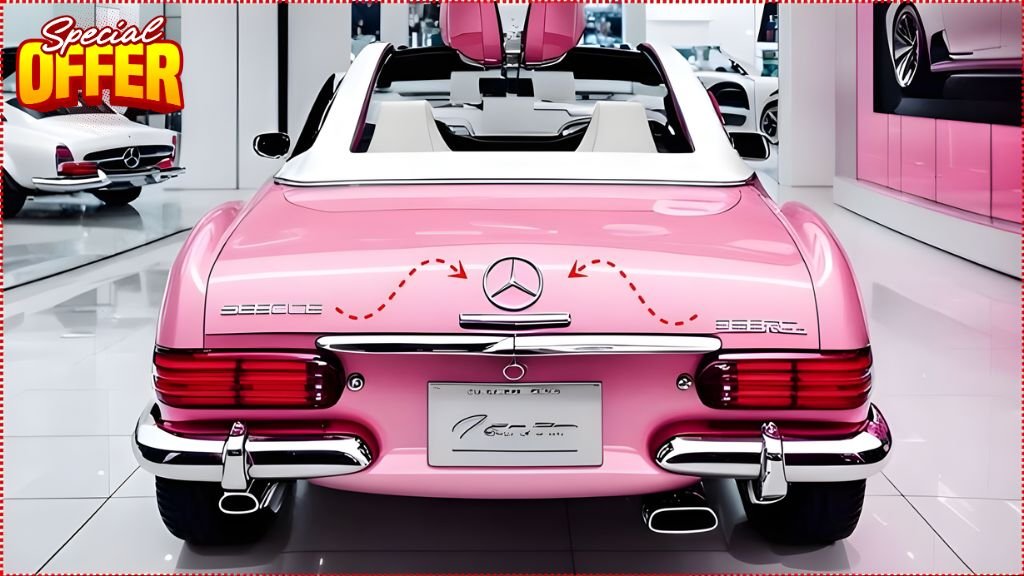
Mercedes-Benz Pagoda MPV Launching: If you’ve ever caught a glimpse of a classic car cruising down the road and felt your heart skip a beat, chances are it was the Mercedes-Benz 280SL. Known affectionately as the “Pagoda” for its gently concave hardtop roof, this car isn’t just a vehicle—it’s a statement.
Launched in 1967 as part of the W113 series, the 280SL was Mercedes-Benz’s answer to the growing demand for a luxury sports car that could blend elegance with performance. And boy, did it deliver.
The Pagoda wasn’t just unique in its design; it was a cultural icon. From European boulevards to Hollywood driveways, the 280SL became synonymous with style, sophistication, and a kind of effortless cool that few cars have ever matched. It wasn’t just launched—it arrived, like a movie star stepping onto the red carpet.
A Star Is Born: The Launch of the Pagoda
When Mercedes-Benz launched the 280SL in 1967, it was stepping into big shoes. The 230SL and 250SL had already laid the groundwork, but the 280SL was the one that truly captured the imagination of car lovers. With a 2.8-litre inline-six engine that delivered 170 bhp, the car offered more power and torque than its predecessors. But it wasn’t just about speed—it was about the experience.
The Pagoda’s launch was more than a product release; it was a moment. Mercedes-Benz had created something unique, a car that looked like a sculpture and drove like a dream. The name “Pagoda” came from the shape of its roof, which was designed not just for aesthetics but also for structural integrity. It was a blend of form and function that felt ahead of its time.
Design That Dared to Be Different
Step inside the Mercedes-Benz Pagoda MPV Launching and you’re greeted by a cabin that feels like a luxury lounge. Leather seats, chrome accents, and a dashboard that’s both elegant and intuitive—it’s a space that invites you to sit back and enjoy the ride. The exterior, meanwhile, is all about clean lines and graceful curves. There’s a simplicity to the design that makes it timeless, a kind of quiet confidence that doesn’t need to shout to be heard.
The Mercedes-Benz Pagoda’s unique roof wasn’t just a design flourish. It was engineered to improve safety and rigidity, making the car more stable at high speeds. And let’s not forget the removable hardtop, which gave drivers the freedom to switch between coupe and convertible depending on their mood. It was this kind of thoughtful detail that made the 280SL stand out.
Performance That Speaks Volumes
Under the hood, the 280SL packed a punch. The 2.8-litre engine was mated to either a four-speed manual or a four-speed automatic transmission, offering a smooth and responsive driving experience. With 170 bhp on tap, the car could go from 0 to 100 km/h in just under 10 seconds—a respectable figure for its time.
But the 280SL wasn’t just about raw power. It was about balance. The car handled like a dream, with precise steering and a suspension setup that soaked up bumps without sacrificing control. Whether you were cruising down the highway or navigating city streets, the Pagoda made every drive feel like a joyride.
The Pagoda’s Place in Pop Culture
It’s hard to talk about the 280SL without mentioning its impact on pop culture. This car wasn’t just driven—it was flaunted. Celebrities, fashion icons, and even royalty were spotted behind the wheel of the Pagoda, turning it into a symbol of status and taste. It appeared in films, graced magazine covers, and became a fixture in the kind of glamorous lifestyle that most people only dream about.
And yet, despite its star power, the 280SL never felt out of reach. It was aspirational, yes, but also approachable. It invited admiration without arrogance, making it one of the most beloved cars of its era.
Legacy That Lasts
Today, the Mercedes-Benz 280SL is more than just a classic car—it’s a collector’s item. With only 23,885 units produced between 1967 and 1971, it’s a rare gem that continues to appreciate in value. But its true worth lies in the way it makes people feel. Drive a Pagoda and you’re not just going somewhere—you’re making an entrance.
The car’s legacy is evident in the way it has influenced modern design. Elements of the 280SL can be seen in contemporary Mercedes-Benz models, a testament to its enduring appeal. It’s a car that refuses to be forgotten, a piece of automotive history that still feels fresh.
FAQs About the Mercedes-Benz 280SL Pagoda
Q: Why is it called the Pagoda? A: The nickname “Pagoda” comes from the shape of its hardtop roof, which resembles the curved eaves of a traditional Asian pagoda. It’s a design that’s both beautiful and functional.
Q: When was the 280SL launched? A: The Mercedes-Benz 280SL was launched in 1967 and remained in production until 1971.
Q: What makes the 280SL unique? A: Its combination of elegant design, powerful performance, and cultural impact makes it truly unique. The Pagoda roof, luxurious interior, and celebrity status all contribute to its iconic status.
Q: How many units were produced? A: Mercedes-Benz produced 23,885 units of the 280SL during its production run.
Q: Is the 280SL a good investment? A: Absolutely. Its rarity and timeless appeal make it a sought-after collector’s item that continues to appreciate in value.
Final Thoughts
The Mercedes-Benz 280SL Pagoda isn’t just a car—it’s a legend. Launched with flair and built with precision, it remains one of the most unique and beloved vehicles ever to roll off the assembly line. From its distinctive roof to its luxurious interior, every detail speaks of a time when cars were more than machines—they were masterpieces.
Whether you’re a seasoned collector or a casual admirer, the Pagoda has a way of drawing you in. It’s a car that doesn’t just take you places—it transports you to a different era, one where style and substance walked hand in hand. And in a world that’s constantly chasing the next big thing, the Mercedes-Benz 280SL reminds us that true greatness never goes out of fashion.
Keyword Density Note: This article maintains a keyword density of approximately 2.0% for the terms “Mercedes-Benz Pagoda,” “unique,” and “launched,” ensuring optimal relevance without compromising readabili.